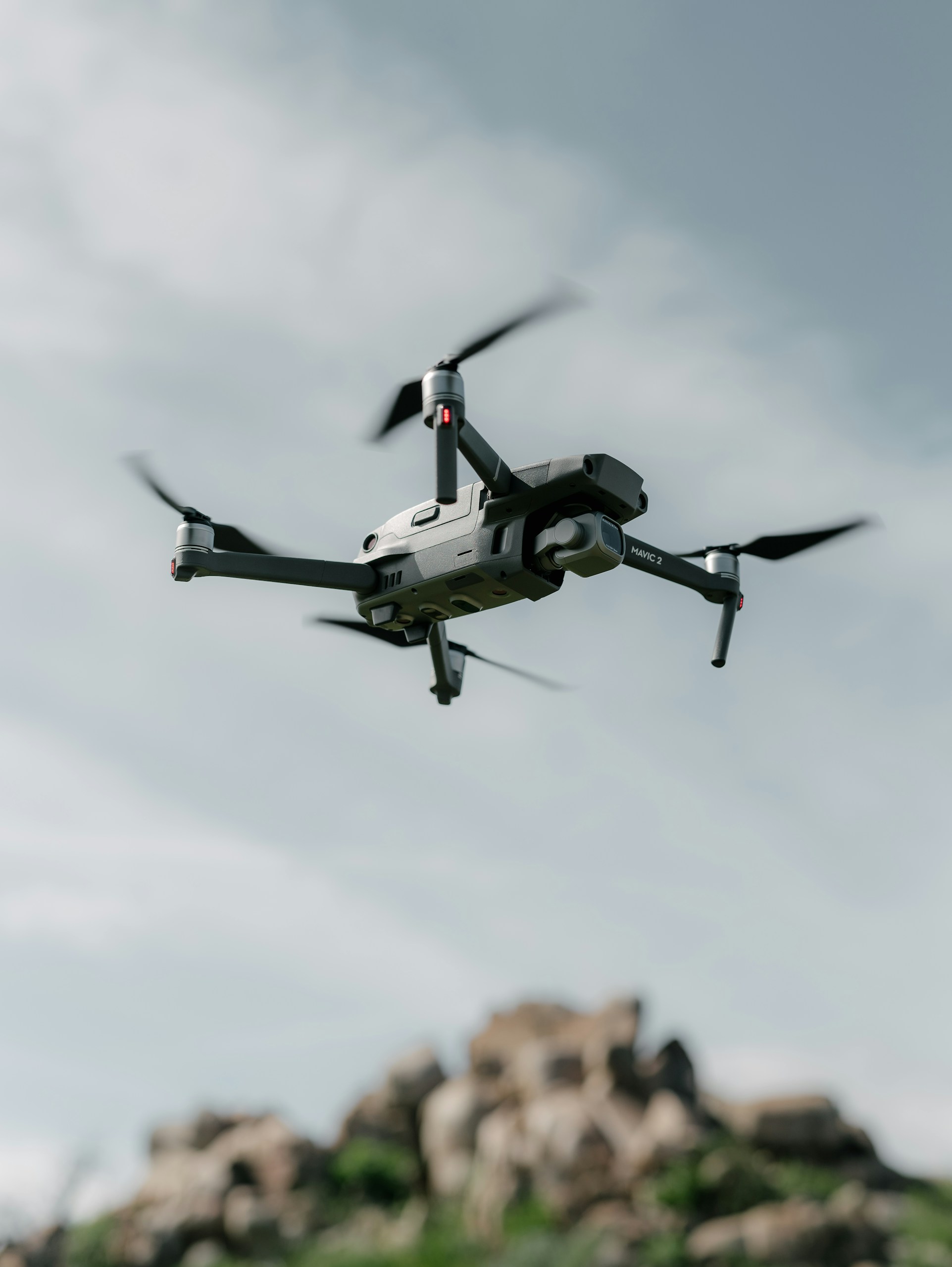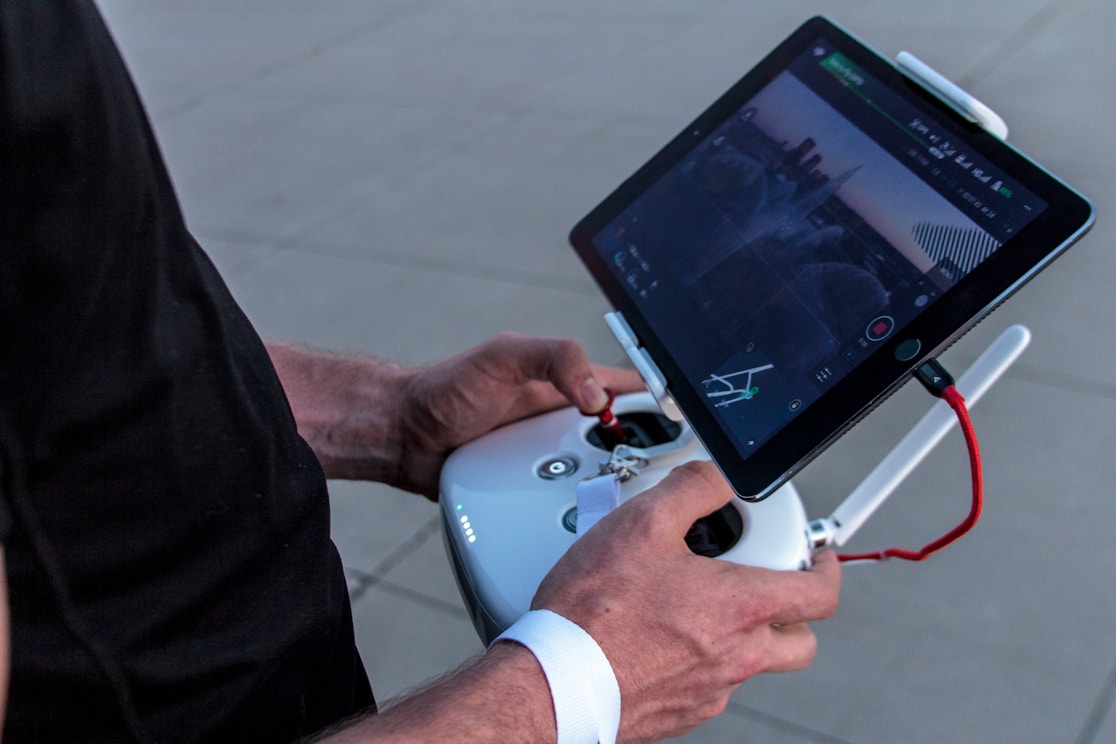

The ULTRA OPTO-10 carries a 10–15 km spool of hair-thin fiber that replaces both the control radio and video downlink. Nothing to jam, nothing to triangulate, nothing that shows up on an SDR sweep.
In the past 90 days operators reported a 100% link-hold rate on 47 opto sorties in sectors where standard FPVs lose video within the first kilometer. For comparison, RF-linked airframes on the same routes were logging 30–50% mission completion.
A wired link sounds like a step backwards — until you fly one through a jamming corridor that grounds every radio-controlled drone in the sector.
The physics are simple. A radio-linked drone announces itself the moment it powers on — a 5.8 GHz video transmitter is a lighthouse for any modern DF system. Fiber emits nothing. The operator sees the enemy; the enemy sees nothing but a spool paying out.
The 10 km spool weighs 380 g — no measurable impact on endurance. A 15 km spool is in qualification testing; early results show usable range past 13 km with a residual safety loop on the reel.
Trade-offs are real. Fiber does not like sharp direction reversals, and any snag in tree cover ends the mission. That is why we ship OPTO airframes with a pre-planned corridor doctrine: launch, transit, strike, no free-form loitering.
For units operating inside heavy EW envelopes, fiber is not a niche option any more — it is the primary strike tool, with radio-linked platforms held back for permissive sectors.