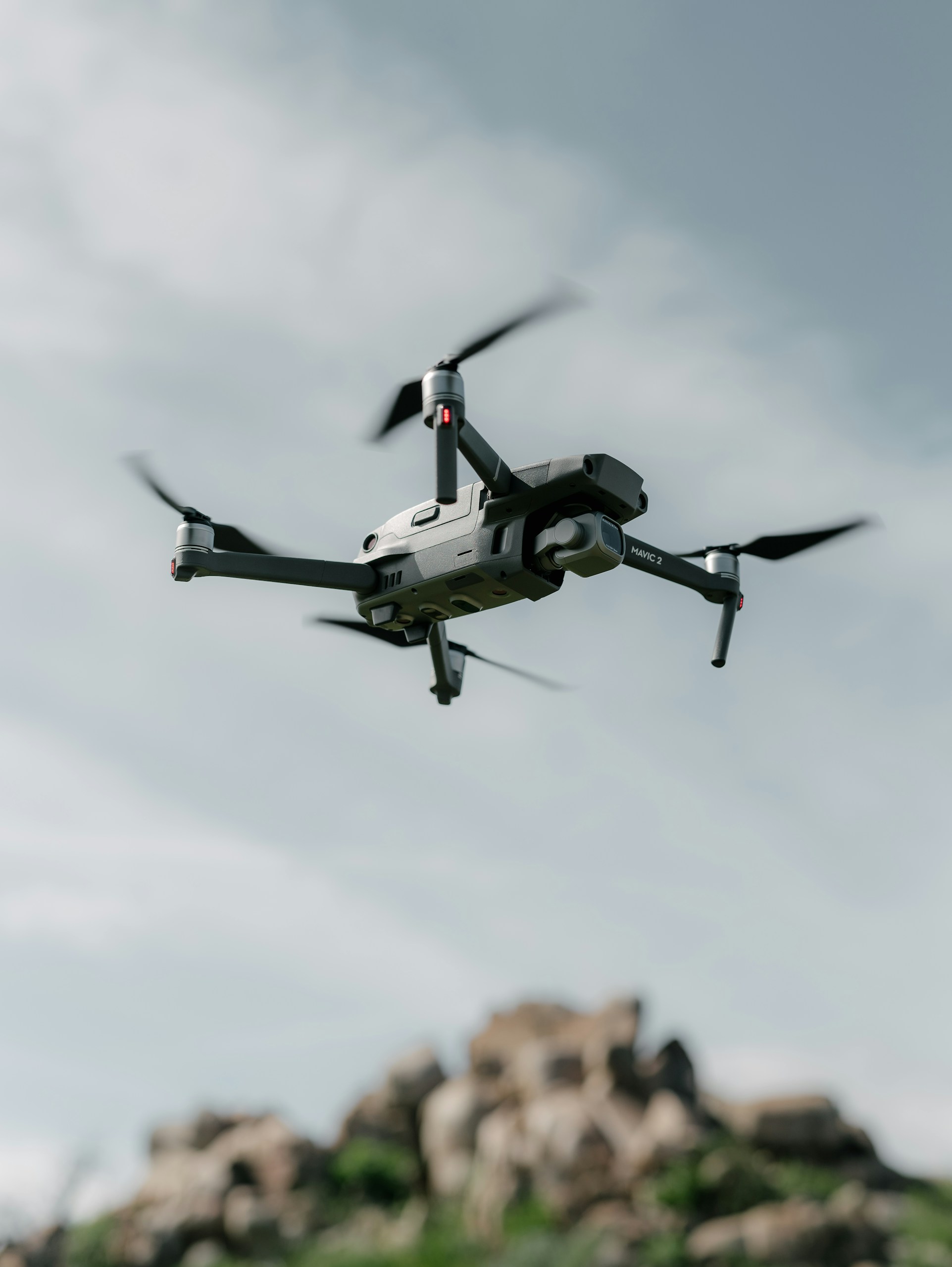
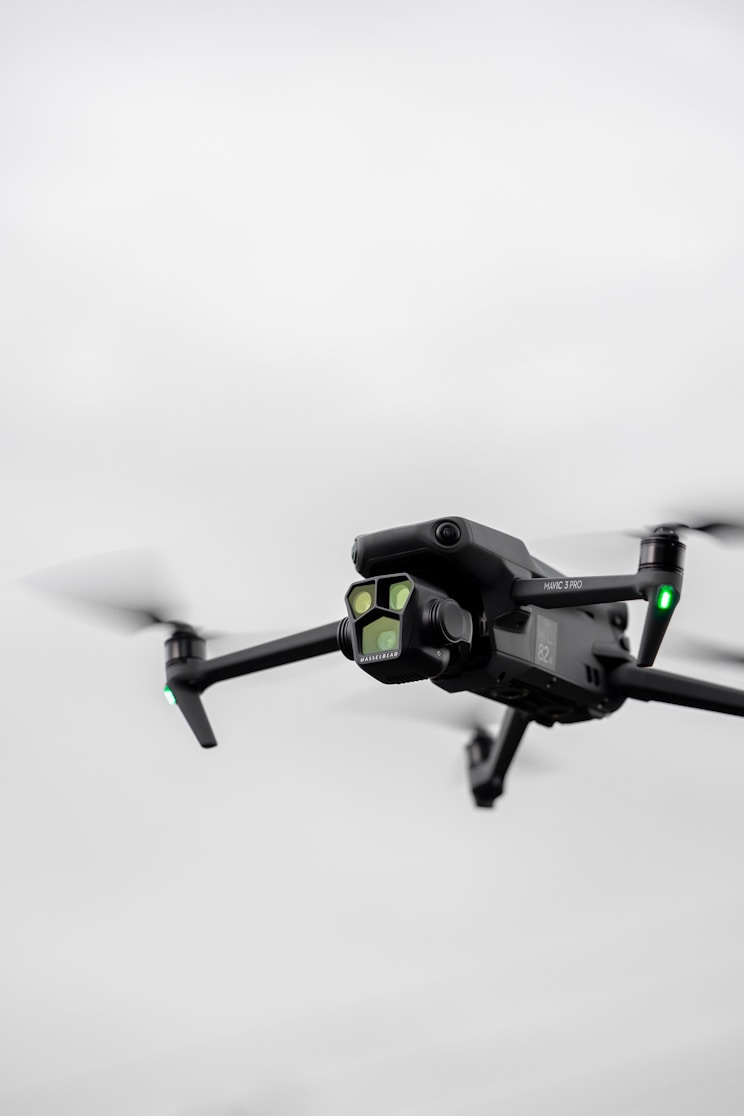
We ran 500 controlled hard landings on the 7-inch carbon frame — half onto packed earth, half onto concrete, from drop heights of 3, 5 and 8 meters. Arms held on 486 of them.
Of the 14 failures, 11 were arm-root cracks at the motor mount and 3 were bottom-plate delamination on concrete. Zero failures involved the flight-controller stack or battery bay — a deliberate result of routing critical hardware away from the primary impact path.
A frame that survives a hard landing is a frame that flies again tomorrow. Here is what our durability program changed.
The next batch ships with a reinforced motor mount, a 0.2 mm thicker arm laminate at the root and captive nuts instead of pressed inserts. Projected first-drop survival on concrete rises from 94% to 99%.
Weight cost of the reinforcement is 22 g on a 780 g dry frame — under 3%. Endurance testing showed no measurable change in hover time.
None of these changes affect the flight envelope or the battery bay — the geometry, mounting pattern and CG are preserved, so units already trained on the current airframe need no retraining.
Field kits ship with two spare arms and a replacement bottom plate; typical arm swap in the field is 15 minutes with a hex key and thread-lock. We are working on a tool-less arm change for the next revision.